How to Reduce Your Electricity Bill in South Africa (2026 Guide)
Updated 27 August 2026
Nersa approved an average 8.76% increase to Eskom's direct-customer tariffs from 1 April 2026, with municipal customers seeing a further 9.01% increase from 1 July — and another increase already pencilled in for next year. Electricity has been rising nearly three times faster than general inflation over the last decade, so the honest starting point for any South African household right now isn't "how do I avoid load shedding," it's "how do I stop this bill from eating a bigger share of my income every year."
The good news: a small number of changes account for most of the possible savings, and none of them require a full solar installation to start.
Where your bill actually goes
In a typical South African home, the geyser is usually the single biggest electricity user — often around 30-40% of the monthly bill on its own, because it heats water continuously rather than only when needed. The stove/oven and, if you have one, a pool pump running unnecessarily long hours account for most of the rest of the "big" usage. Lighting and small appliances matter, but they're a smaller slice — which is exactly why they're also the cheapest and fastest things to fix first.
The highest-impact, lowest-cost fixes
1. Switch to LED lighting
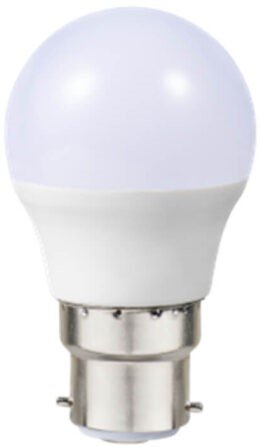
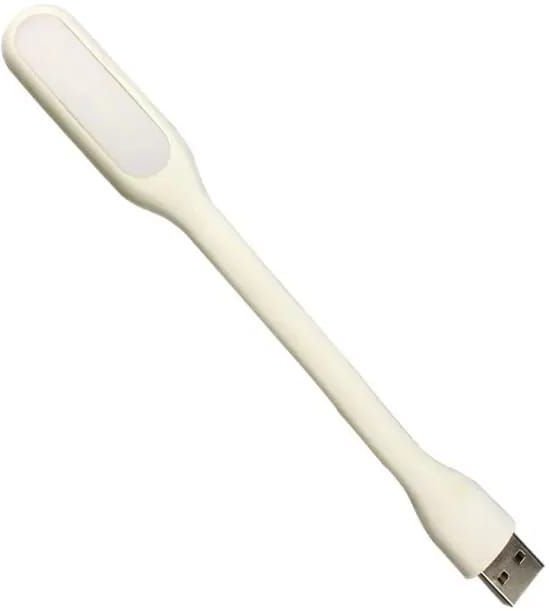
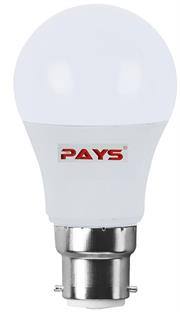
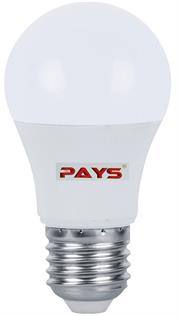
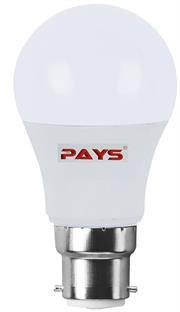
LED bulbs use around 90% less electricity than old incandescent bulbs and last far longer — one of the few home upgrades that pays for itself almost immediately. Rechargeable LED bulbs and lamps are worth the small premium too: they double as load-shedding lighting, so you're not buying two separate things.
2. Control your geyser, don't just tolerate it
A geyser blanket and insulated pipes are the cheapest fix available and typically pay for themselves within months. A geyser timer that limits heating to the hours you actually need hot water goes further — you're paying to heat water you use, not water that sits hot all day.
3. Kill standby and phantom loads
Switching appliances off at the wall rather than leaving them on standby can save a meaningful slice of your bill on its own — TVs, decoders, chargers and gaming consoles all draw power sitting idle.
4. Right-size your pool pump schedule
If you have a pool, running the pump for around 6 hours in summer and 4 in winter is generally enough to keep water clear — far less than many timers are actually set to.
5. Buy appliances by their efficiency rating
South Africa uses an A-to-G energy efficiency label on fridges, freezers, washing machines, tumble dryers, dishwashers, air-conditioners and geysers. When you're replacing any of these, the rating matters as much as the price tag — a more efficient fridge in particular runs continuously, so the gap compounds every single day it's plugged in.
Beyond the basics: backup power
None of the above touches load shedding itself. If outages — not just the size of the bill — are the bigger pain point for your household, the next step is backup power: an inverter/UPS setup for keeping lights, WiFi and a fridge running through an outage, or a full solar-plus-battery system for genuine independence from the grid. We've written separate, dedicated guides for both, since they're bigger decisions than a light bulb: