Best Inverter & UPS Systems for Load Shedding in South Africa (2026)
Updated 27 August 2026
An inverter and battery setup is the most popular practical response to load shedding for South African homes — it switches to battery power automatically the moment the grid drops, and unlike a generator, it's silent and needs no fuel or manual start. The confusing part is almost always sizing: VA, watts, sine wave, battery capacity. This guide covers the terms that actually matter before you buy.
VA vs. Watts — what the rating actually means
Inverter and UPS capacity is usually quoted in VA (volt-amps), sometimes alongside a watts figure. For most household electronics the two numbers are close enough that VA is a reasonable proxy for "how much stuff can I run," but the watts figure is the one that matters for continuous loads like fridges and pumps with a motor start-up surge. As a rough guide when comparing products: add up the running wattage of everything you want powered simultaneously, then buy comfortably above that total — running an inverter near its ceiling constantly shortens its life and gives you no headroom for a fridge or pump's start-up surge.
Sizing by use case
Small / office — router, lights, laptops
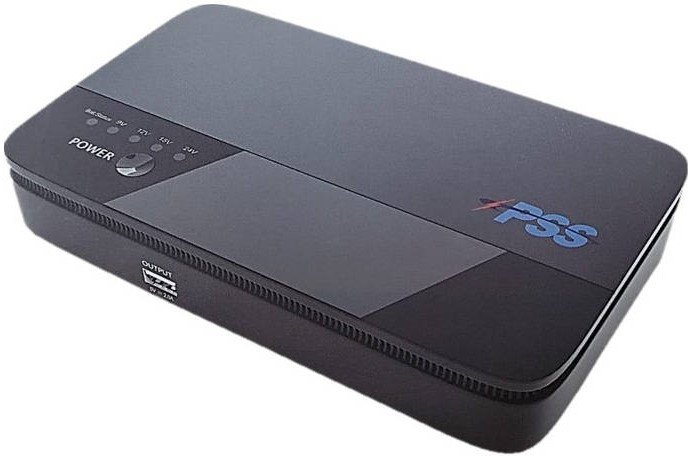
A compact line-interactive UPS in the 700-1200VA range is generally enough to keep a router, a couple of lights and a laptop charger running through an outage. This is also the cheapest entry point if you just want the WiFi and a light on during load shedding, nothing more.
Medium — fridge, TV, lights, router for a few hours
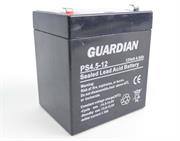
Once a fridge is in the mix, you're generally looking at 1800-3000VA and a proper deep-cycle or lithium battery bank rather than the small sealed battery built into an office UPS — fridges draw a real surge on start-up. This tier is the most common "keep the essentials running" setup for a typical home.
Large — most of the house
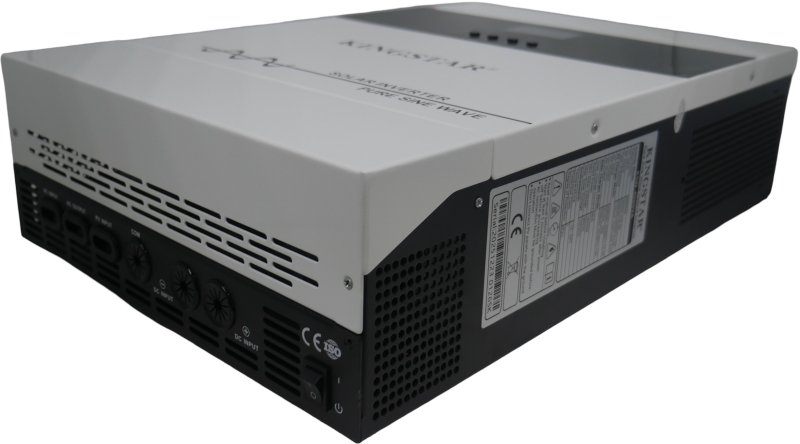
Covering most household circuits (kitchen, lounge, most lights, sometimes aircon) typically means a 3000VA+ inverter, often paired with lithium batteries for a meaningful runtime, and frequently the same hardware used as the backbone of a full solar setup — see our solar panel buying guide if you're considering that path.
Sine wave vs. modified sine wave
True/pure sine wave inverters produce clean power that matches what comes out of an Eskom wall socket — safe for sensitive electronics, fridges, and anything with a motor. Modified sine wave units are cheaper but produce a rougher waveform that can cause some electronics to run hot, buzz, or behave oddly, and isn't recommended for fridges or other motor-driven appliances. If you're running anything beyond basic lights and chargers, true sine wave is worth the extra cost.
Battery type: lead-acid vs. lithium (LiFePO4)
Lead-acid (including gel/AGM) batteries are cheaper upfront but heavier, bulkier, and shouldn't be discharged below about 50% regularly without shortening their lifespan. Lithium iron phosphate (LiFePO4) batteries cost more upfront but are lighter, can be safely discharged much further, and last significantly longer — often thousands of charge cycles versus a few hundred. If you're going to be cycling the battery daily through regular load shedding rather than only occasionally, lithium tends to work out cheaper over its lifetime despite the higher sticker price.