
Angle Grinder Buying Guide for South Africa (2026)
Updated 1 September 2026
An angle grinder is one of the few power tools that genuinely earns its "do everything" reputation — cutting steel, grinding welds smooth, sharpening blades, stripping paint or rust, and cutting tile, brick or paving with the right disc. It's also one of the more dangerous tools in a home workshop if the wrong disc goes on the wrong job. Here's what actually matters before you buy one.
Corded or cordless?
Corded
Consistent full power for as long as you need it, no battery to run flat mid-job, and generally cheaper for the same disc size and motor output. The obvious trade-off is the cord itself — awkward on ladders, roofs, or anywhere you're moving around a lot. Still the better choice for long grinding sessions or heavier discs (230mm) where sustained power matters more than mobility.
Cordless
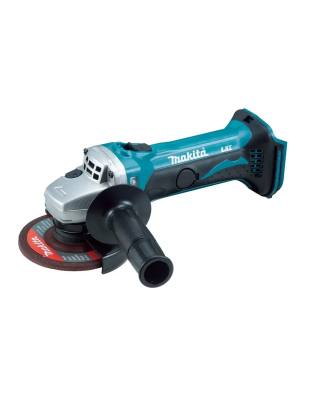
Modern 18V-and-up cordless grinders with brushless motors and a decent battery (4.0Ah+) handle most 115mm-125mm jobs without feeling underpowered — cutting a few brackets, grinding a weld, quick metal work. Genuinely useful for working at height, outdoors away from a plug point, or short jobs where dragging out an extension cord isn't worth it. If you already own 18V batteries for another tool on the same platform, a cordless grinder is an easy add rather than a separate investment.
Disc sizes explained
115mm (4.5")
The most common size for light DIY and household use — small metal cuts, deburring, light grinding. Compact, lighter to hold, and the cheapest discs to replace.
125mm (5")
A step up in disc surface area for slightly heavier grinding and cutting without a major jump in tool weight or price — a reasonable middle ground if 115mm feels limiting.
230mm (9")
The size for serious cutting depth and grinding coverage — brick, paving, concrete, thicker steel. These tools run heavier, more powerful motors and need two hands and real care to control safely. Not the size to start on if you've never used an angle grinder before.
Grinding disc, cutting disc, or diamond blade?
The disc does the job, not the tool — the same grinder can cut, grind, or polish depending on what's fitted:
- Cutting discs are thin and designed to slice through metal (or masonry, with the right type) in a straight pass — never used on their side for grinding, since a thin disc can shatter under sideways pressure.
- Grinding discs are thicker and meant to be used at an angle against the work — smoothing welds, removing rust, shaping metal edges.
- Diamond blades replace a standard cutting disc for masonry, tile, brick, and concrete — segmented blades for general masonry, continuous-rim blades for a cleaner cut in tile. A diamond blade lasts far longer than an abrasive disc on masonry work and is worth the extra cost if you're cutting more than the occasional paver.
Always match the disc's marked maximum RPM to the grinder's actual RPM (never fit a disc rated lower than the tool spins), and match the disc diameter to what the guard is designed for — using a disc bigger than the grinder's rated size is a common and serious safety mistake.
Power and safety basics
Corded grinders are commonly rated between 700W (light 115mm models) and 2000W+ (heavy-duty 230mm units) — higher wattage generally means the tool holds its speed under load rather than bogging down mid-cut. Beyond wattage, a few features are worth checking before you buy: an adjustable guard (should always stay fitted, positioned to shield you from sparks and disc fragments), a spindle lock for quick, safe disc changes, and anti-restart protection so the tool doesn't fire up on its own after a power cut. Safety glasses or a face shield and gloves are non-negotiable with any angle grinder — sparks and disc fragments are the two most common ways people get hurt with this tool.
Shop angle grinders
Need a drill instead? See our cordless drill buying guide or browse all buying guides.